
RAW Conversations: Moments that change everything
By Nick Ellerby
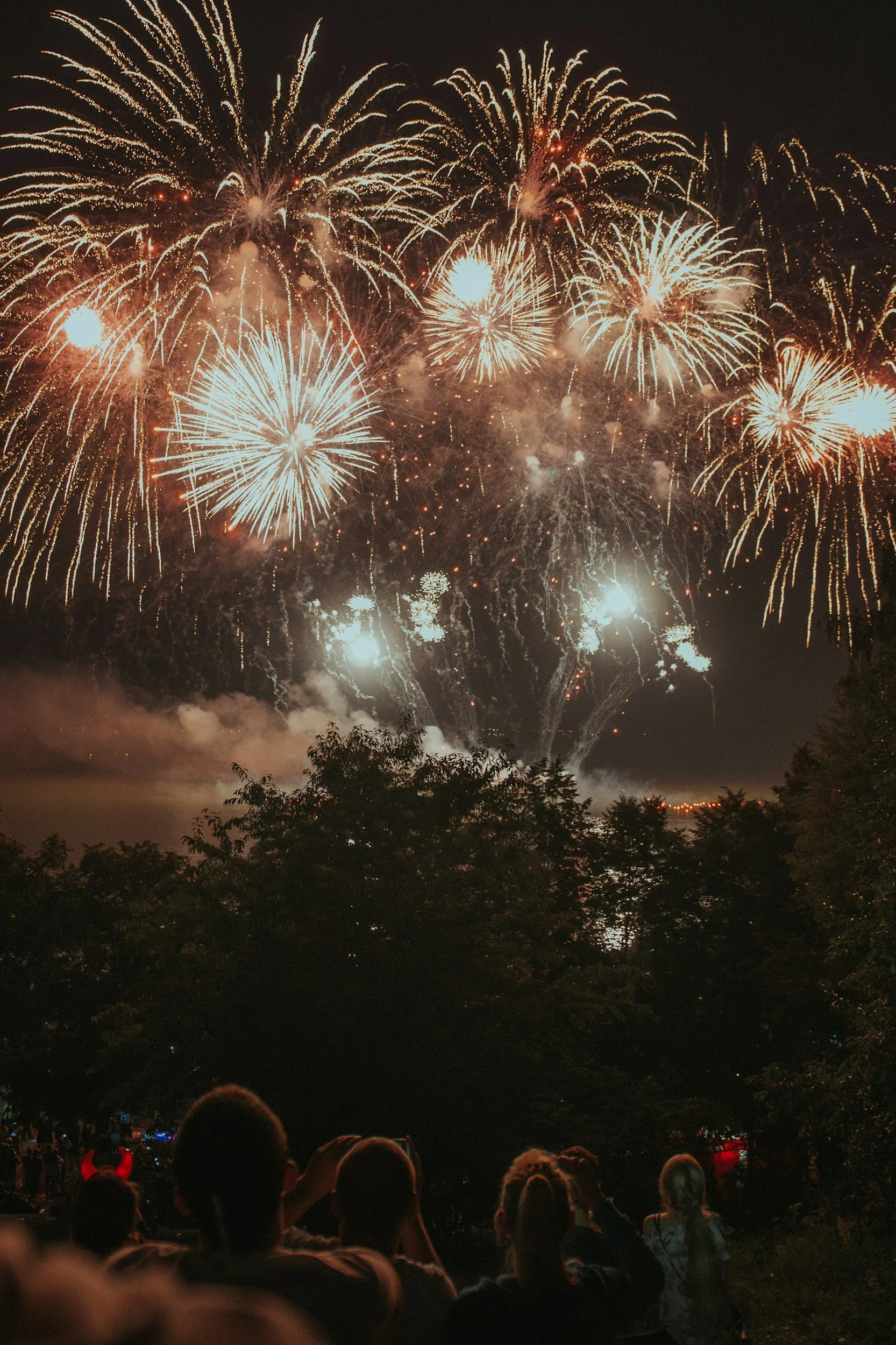
Photo by zuzanka galczynska on Unsplash
There’s a conversation you’ve been avoiding. You know the one.
It might be with your partner. Your boss. A colleague you manage. A friend. A member of your team.
Something has shifted. A boundary has been crossed. A decision feels wrong. A tension sits quietly in the room. You sense that speaking up might clear the air. Restore trust. Strengthen the relationship.
And yet - you hesitate.
A common request we receive in our work at Oasis is simple and universal:
Can you help me have a difficult conversation?
Earlier this year, the Oasis RAW Team (Resilience, Adaptability & Wellbeing) decided to explore this theme more deeply. This blog series is our response.
Because difficult conversations sit at the heart of leadership, partnership, friendship, family and community life. They are often the hinge points on which positive difference turns. Without them, learning stalls. With them, trust can deepen.
The Paradox
Difficult conversations ask something of us.
They ask us to risk discomfort.
To tolerate uncertainty.
To face the possibility of conflict or disapproval.
And here is the paradox:
The very forces that make the conversation necessary are often the same forces that prevent it.
Silence can feel safer than speech.
We tell ourselves we are protecting harmony. Preserving relationships. Being pragmatic.
But beneath that reasoning often lies something more visceral — fear of shame, of rejection, of getting it wrong. The anticipated cost of speaking feels too high.
So we defer.
We soften.
We avoid.
But what we do not say does not disappear.
It settles in the body.
In the culture of a team.
In the space between people.
The unspoken shapes behaviour just as powerfully as the spoken. And gradually, what we are able to endure without harm begins to shrink.
What This Series Will Explore
This series brings together a range of voices and perspectives to help you both understand and practise difficult conversations with greater confidence and care.
Nick Ellerby explores the hidden cost of silence and how shame, guilt and fear underpin our avoidance. Read here.
Sarah Bryson, facilitator of Skills for Change, offers a practical framework to help you feel more grounded and capable when facing conversations you would rather not have. Read here.
Mo Ford, who leads the Kindling Space, goes beyond technique to explore the relational conditions that make honest dialogue possible. Read here.
Jane Bytheway takes a thoughtful dive into grief and loss, examining what helps when conversations become tender and emotionally charged. Read here.
Pam Reynell, leader of a thriving community centre in Leeds, brings real-world insight into cross-cultural and multi-generational conversations. Read here.
Virginia Mendez, writer and consultant, closes the series by reflecting on the wider social and personal conditions that enable conversations to truly make a difference. Read here.
Together, these contributions offer insight, practice and encouragement.
This is not a series about confrontation. It is a series about courage. About clarity. About connection.
About the kind of conversations that allow individuals, teams and communities to grow. We hope you will walk with us through the series.
And if there is a conversation waiting in your life…
Perhaps this is the moment to begin.
Be brave. Make a difference.
The Oasis RAW Team
Our RAW (Resilience, Adaptability and Wellbeing) Team offer practical ways to turn awareness into lasting change - from workshops and coaching to organisation-wide wellbeing strategies. Learn more about our approach